LEDC Youth Activators: Civic Engagement & Financial Literacy
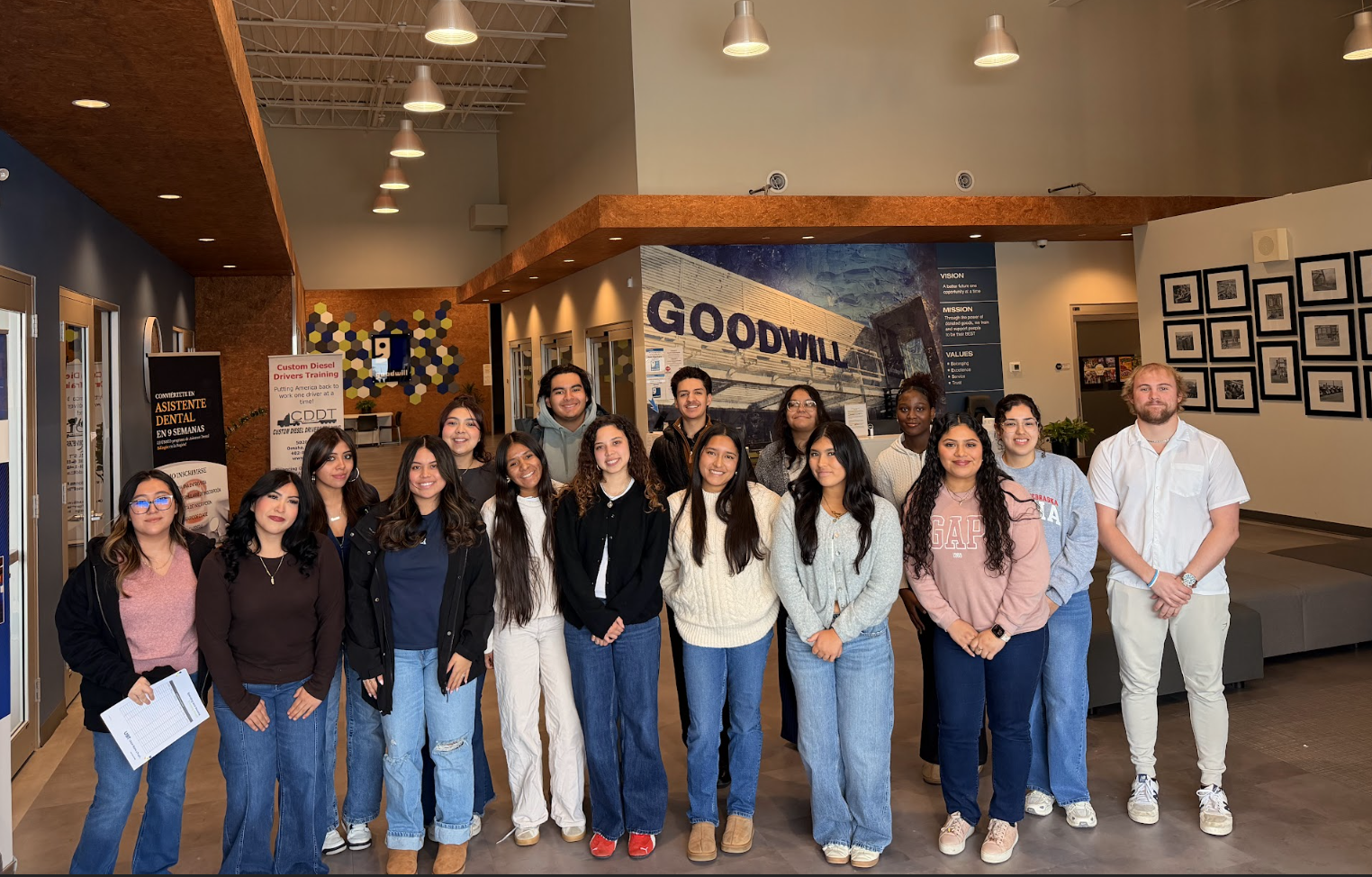
LEDC Youth Activators at the South Omaha Goodwill Training Center
The second session of the Youth Activators program marked a critical milestone in preparing young leaders to navigate both their personal futures and their civic responsibilities. Held in January, this session centered on Civic Engagement & Financial Literacy, intentionally sequencing learning so that participants first understood how power operates in our state and how they can engage with it, before turning inward to build the personal financial tools needed for long-term stability.
The session opened with Legislation 101, introducing Youth Activators to how the Nebraska Legislature functions, what happens during the legislative session, and how policy moves from an idea to law. Participants learned who holds decision-making power, how committees operate, and the concrete ways young people can engage: testifying at hearings, contacting senators, tracking bills, and showing up in public spaces where decisions are shaped. This foundation is critical: civic engagement is not abstract, and access to power should never feel out of reach or reserved for a select few.
Building on that foundation, participants moved into Power of Participation, exploring the history of voting and representative democracy and examining who has historically been excluded from these processes. Youth Activators reflected on how civic participation has driven social progress and why engagement remains both a right and a responsibility. These conversations emphasized that democracy requires active participation, especially from communities that have been marginalized or targeted through policy and rhetoric.
A central thread throughout the civic portion of the session was accountability. Youth Activators were challenged to think critically about the responsibility that comes with public office and public platforms. Accountability is not limited to votes cast behind closed doors. It also applies to what elected officials say publicly and how their words impact communities. We can no longer afford to give platforms to individuals who repeatedly attack communities without consequence. Engagement does not mean endorsement, and participation does not mean silence. Our youth are learning that a healthy democracy depends on informed, vocal communities that demand accountability.
The session then shifted to Financial Literacy, grounding civic leadership in personal stability. Youth Activators explored banking basics, saving strategies, and budgeting tools designed to meet them where they are today while preparing them for adulthood. These discussions were rooted in real-life scenarios: opening a first bank account, managing income from part-time work, planning for college, and understanding how everyday financial decisions shape long-term opportunity. Financial literacy is not simply about money; it is about agency, independence, and the ability to lead without being constrained by preventable financial barriers.
Together, these components reinforced a core belief of the Latino Economic Development Council: economic empowerment and civic engagement are inseparable. You cannot fully advocate for your community without understanding how decisions are made, and you cannot sustainably lead without the financial knowledge that allows you to do so with confidence.
Facilitating access to ongoing professional development is also central to our internship model. Our interns are not only advancing LEDC’s organizational goals—they are active participants in our Youth Activators program. Through this integrated approach, interns are intentionally supported through learning sessions like this one that strengthen their leadership and professional growth. By weaving together legislative education, civic participation, accountability, and financial literacy, LEDC invests in young leaders who are prepared to lead with integrity, clarity, and purpose—both within our organization and in the broader community.
The January session affirmed a simple truth: empowered youth are essential to a healthy democracy. When young people understand their power, their responsibilities, and their resources, they are better equipped to protect their communities and help shape a more just and equitable future.
