Beyond the Clinic: Why We Must Build Health Into Our City's Blueprint
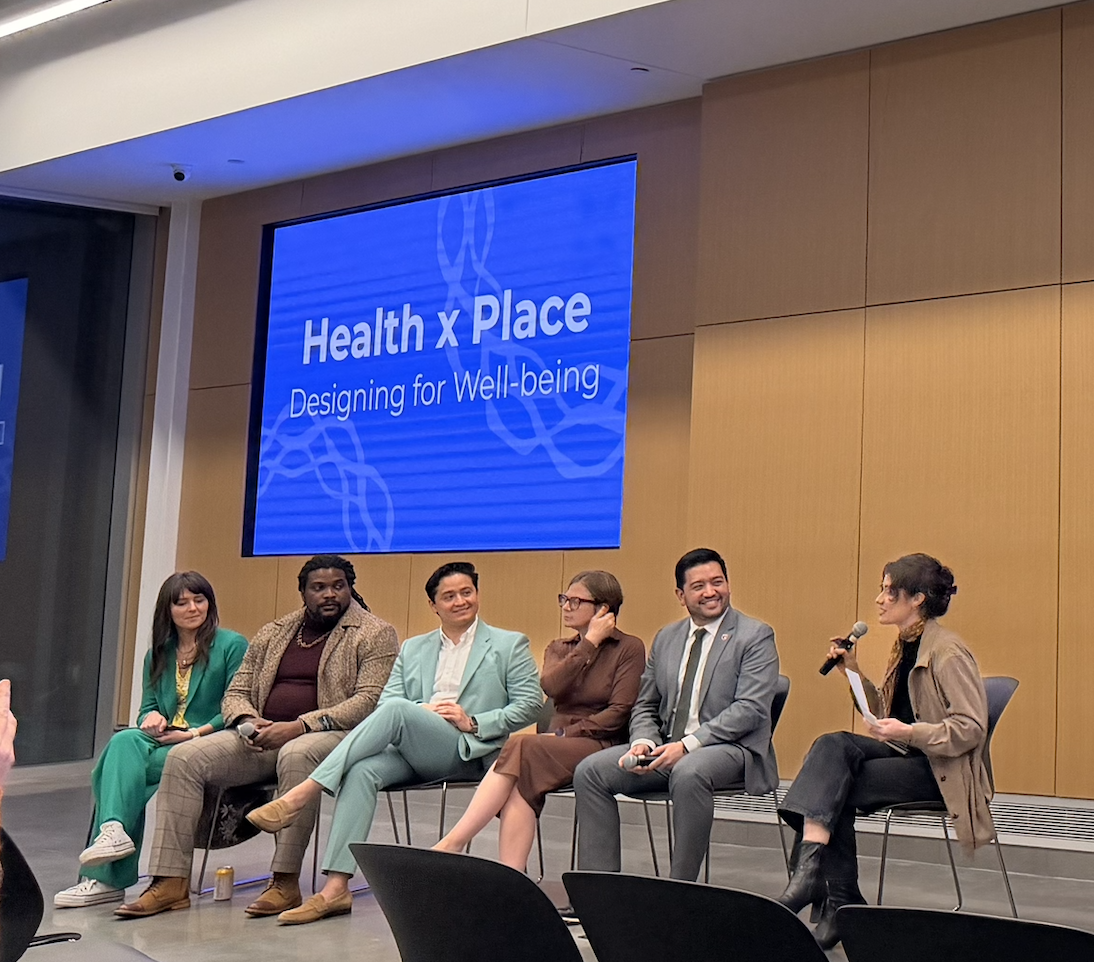
WMO Health x Place Lecture + Panel Conversation, March 3, 2026
As public health professionals, we’re acutely aware that what happens inside an exam room is often just the final stop on a much longer journey. We frequently treat the physiological manifestations of economic stress, housing instability, and systemic barriers. Recently, I had the privilege of joining a panel of incredible community leaders, including Brooklyn Larimore with Omaha by Design, Leah Casanave with Douglas County Health Department, Errik Ejike with NOAH Clinic, Lauren Cencic with Metro Transit, and Armando De Alba Rosales MD, MPH, PhD with the University of Nebraska Medical Center, to discuss a simple but profound truth: Infrastructure IS Health.
If we truly want to heal our communities, we have to change the conversations we are having about how Omaha grows and develops. We must look beyond the downstream mortality metrics and start addressing the upstream social inequities, such as class, race/ethnicity, and immigration status, that shape our lives.
The data tells a story of disparity. We cannot fix what we refuse to measure. The latest Community Health Improvement Plan (CHIP) data reveals stark, localized disparities that demand our attention. In Southeast Omaha, for example, 42.2% of our neighbors are food insecure. In that same area, 42.8% had difficulty accessing Healthcare in the past year.
These numbers are not random. They are the cascading results of disconnected systems. When one foundational condition is unmet, it inevitably impacts the others.
To build a healthier city, we must shift our focus. Health isn't just healthcare; it is ensuring every community has access to:
Reliable Transportation: Systems that are safe, accessible, and close to work, school, and food.
Meaningful Work and Wealth: Fulfilling jobs, family wealth, savings, and limited debt.
Humane Housing: Adequate and safe space, at affordable costs, in diverse neighborhoods. Crucially, this means revitalization without gentrification, segregation, or concentrated poverty.
At the Latino Economic Development Council, we know that true public health intervention involves building economic infrastructure. If we revitalize a neighborhood but displace the incumbent residents, we have failed. We must pair development with deliberate, inclusive investments that build wealth for the people who already call that neighborhood home.
Perhaps the most critical takeaway from our panel was the role of community connection. When people have the power to shape their common world, through civic engagement, voting, and vibrant cultural life, health outcomes improve across the board.
The Road Ahead
Our systems: transit, healthcare, economic development, too often operate in silos. But the human experience does not.
Conversations like the one our panel shared are the first step in breaking down those silos. If we are serious about creating an Omaha where we all thrive, we need cross-sector collaboration. We need city planners, healthcare providers, transit authorities, and economic developers sharing data, aligning funding, and making equitable land-use decisions.
It is time to move from constantly responding to crises toward actively building the vital conditions our communities deserve.
Get Involved
Earlier this year, LEDC established a Health Equity Committee dedicated to coordinating a holistic, community-driven approach to community health fairs. We are looking for passionate individuals and organizations to help us shape these initiatives, contact us today.
Attend the Inaugural Latino Summit
We invite you to join us for our first-ever Latino Summit, an event focused specifically on advancing public health and community wellbeing. This is a premier opportunity to connect with leaders and advocate for a healthier future, register now.
